Why Do Cutting Wheels Wear Unevenly During Metal Cutting?
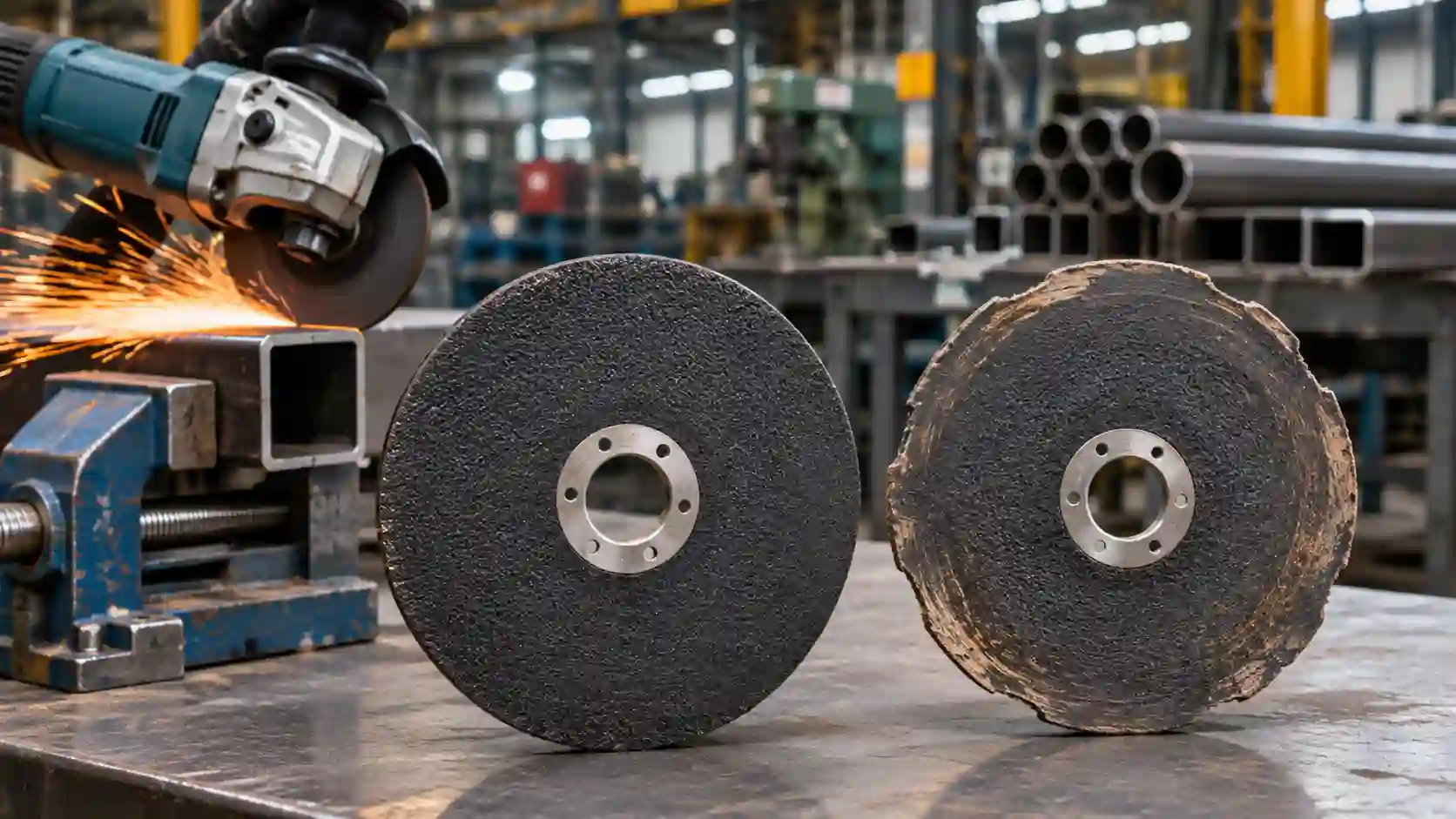
In metal fabrication, operators may find that a cutting wheel develops edges that are uneven, unusual vibration, or takes more time than normal to cut the metal. These issues may cause deviation from the cutting accuracy, higher wheel usage, and a heavier load on the cutting machine.
The cutting wheel should perform the same manner every time, but the way it wears will also be dependent on the operating pressure, mounting accuracy, material used, and use. If the vehicle experiences cutting wheel uneven wear, it does not necessarily mean that it has a manufacturing fault. The problem can also be caused by faulty use, inappropriate accessories, or workpiece support. Ultra Touch, as a trusted manufacturer of cutting wheels, knows these causes can help fabrication units minimize wheel replacement, ensure production quality, and enhance operator safety.
What Is the Uneven Wear of a Cutting Wheel?
When a Cutting Wheel wears out unevenly as opposed to evenly in the course of regular metal cutting work, then the wheel is referred to as being worn out unevenly. The wheel could have an uneven external appearance and wear out on one side making the wheel overly thin.
The amount of wear does not have to be high, since abrasive grains wear out while removing material from the workpiece. If the wear is irregular, however, it could be a result of incorrect cutting technique, wheel mounting, or machine alignment.
With proper use of the wheel, a fairly standard pattern of wear exists in abrasive cutting wheels. An uneven wear, on the other hand, can result in vibration, poor cutting accuracy, and inconsistent performance. Identifying the difference will enable operators to know whether the wheel is wearing out normally or needs inspection and replacement.
What Factors Lead to an Uneven Wear on Cutting Wheels?
There are a number of operating and equipment factors that may cause irregular wear. Overloading, improper mounting, the wrong wheel type and non-stable workpieces are the most frequent causes of cutting wheel wear. By knowing these cutting wheel issues, the operators can be able to spot the error and take appropriate corrective action before the error has a chance to impact their production.
Excessive Cutting Pressure and Side Loading
One of the common causes of Cutting Wheel Uneven Wear is applying too much pressure. When operating the wheel, the operator may squeeze it to get the job done faster, particularly if he or she is cutting thick metal materials. But with a strong cutting wheel pressure, more friction, heat, and mechanical stress on the grinders will be generated.
Side loading is also a significant issue. A cutting wheel should not be used for grinding or to apply side pressure to it. You may damage the edges when twisting the wheel into the cut, and it may be more brittle.
Pressure should be applied evenly to the wheel without pressing it into the material or as too much pressure, as this may cause uneven cutting. You will have the best results.
Incorrect Wheel Mounting and Misalignment
Poor mounting of a cutting wheel can affect the rotation of the wheel and its contact with the work. The wheel may be imbalanced if not properly mounted and may then be subjected to additional stresses while operating.
Damaged mounting hardware and incompatible flanges and accessories can all add to cutting wheel misalignment. Just a slight misalignment can lead to high vibration and irregular contact with the metal surface.
Operators should check the mounting arrangement, flange compatibility, and spindle condition before operating the machine. The wheel is to be installed as per the manufacturer's instructions. Cracked, damaged or poorly-fitted wheels are never to be used.
Wrong Cutting Wheel for the Metal Type
Not all abrasive wheels will perform the same for all metal-cutting applications. The selection of the wrong Metal Cutting Wheel may impact cutting speed, abrasive usage, and overall performance.
For instance, the cutting specifications for stainless steel and mild steel are different. The wheel's abrasive content, thickness, hardness, and characteristics should be compatible with the material it is used on and the purpose of use.
The industrial cutting wheel also needs to be compatible with both the machine and speed at which it is used. If you are choosing a wheel solely based on its price or availability, you could be building up a stock of poor-quality wheels and having to change them often.
It's important for operators to review the specifications provided by the manufacturer before selecting a wheel. Choosing the right selection helps in maintaining the consistency of cutting performance and prevents unnecessary operating costs.
Unstable Workpieces and Improper Cutting Technique
Cutting can create additional stress in a workpiece, which can cause the abrasive wheel to be stressed. It occurs frequently with the processing of large metal pieces, pipes, and other heavy fabrication parts that are not supported properly.
The cut can also close on the wheel, or material can shift during use, causing wheel binding. If it is twisted to realign, it may lead to greater stress and lead to abnormal wear or damage.
All these problems with the metals being cut can compromise cutting accuracy and lower the overall performance of cutting wheels. The workpiece must be firmly held with appropriate clamps/supports, and the cutting approach must be controlled by the operator. If it is moved into the material gently, without excessive movements, irregular wear will be minimized.
How to Identify Uneven Cutting Wheel Wear Safely
Operators can get a heads-up on potential problems by regularly checking for signs of wear on the cutting wheels. Some of the first signs are if the outside edge of the wheel is uneven, or it starts to change in shape. Other strange symptoms that operators might notice are unusual vibration, cutting depth inconsistencies, or a sudden drop in cutting efficiency.
Common Indicators of Problems Include:
- Wear at the edges: Some edges of the grinding wheel show greater wear compared to others.
- Destruction: Destructions like cracks or chipped edges are visible at the surface of the abrasive.
- Vibration: Vibration is too much during operation.
- Cut not straight and consistent: It may fail to give you a straight and consistent cut.
- Noise problems: Any change in operating noise may indicate problems with mounting and equipment.
Prior to cutting wheel inspection, the machine is to be de-energized and disconnected from any power source to inspect the wheel. Never touch a rotating wheel; never attempt to inspect it while the machine is operating. If there are cracks, warping, or other damage to the wheel, discontinue use and replace them. Do not try to bend, break, or remold a broken cutting wheel.
How to Prevent Uneven Cutting Wheel Wear
Uneven wear usually starts well before the first cut. Most of it comes down to how the wheel is picked, mounted, and handled on the shop floor, and a few simple checks keep cuts consistent and wear under control.
- Choose the right cutting wheel for the job. Metal type, cutting application, wheel size, and machine compatibility all need to line up.
- Mounting accessories matter too. Use compatible flanges and fit the wheel exactly as the manufacturer instructs.
- Stay within the rated RPM printed on the wheel and within the machine’s own speed limit.
- Light, even pressure against the workpiece works better than leaning into the cut.
- Clamp the material firmly. Any movement or wheel binding mid-cut chews up the edge.
- Look over every wheel before use for cracks, chips, distortion, or other damage.
- Storage counts. Keep wheels away from dirt and damp, and follow the manufacturer’s storage guidelines.
Daily upkeep should cover the machine, spindle, and mounting accessories as well. Operators need to follow the recommended procedures and wear suitable PPE. Do this consistently and wheels last longer, cuts stay accurate, and the working area is safer.
What Should Industrial Buyers Check Before Purchasing?
Price is just one factor to consider when you’re buying an industrial cutting wheel. Specifications, suitability, and batch-to-batch uniformity carry just as much weight, especially for bulk orders feeding steady production. Keep these points in front of you while ordering:
- Wheel dimensions: Confirm the outside diameter, thickness, and bore size against your machine.
- Does it suit your metal and cutting process? Check before you place the order.
- Maximum operating speed should match the safe RPM of the machine it will run on.
- Read the manufacturer’s notes on recommended use, handling precautions, and storage.
- Ask whether the supplier can hold the same quality across repeat bulk orders.
- Good packaging keeps moisture from the wheels in transit and in storage.
- Supply capacity: Can they deliver regular and large-volume orders on time, without delays?
For businesses sourcing from Cutting Wheel Suppliers in India, Ultra Touch offers product availability, technical support, and commercial terms worth weighing. Compare specifications side by side rather than the purchase price alone, and procurement decisions get a lot easier.
Conclusion
The uneven wear of the cutting wheels may be caused by excessive pressure, improper mounting, using a wrong wheel for the job, or improper cutting methods. These issues are resolved to ensure industrial users cut accuracy, avoid unnecessary replacement of wheels, and enhance safety in the workplace.
For regular metal fabrication requirements, it is also significant to choose the appropriate products from trusted Cutting Wheel Manufacturers in India. Ultra Touch provides solutions for cutting wheels for industrial metal-cutting applications. By choosing the appropriate metal cutting wheel for your material and machine, you can guarantee a stable production.
Need cutting wheels for your industrial application? Contact Us Now
FAQs
1. Why does my cutting wheel wear unevenly?
Usually it traces back to how the wheel is used. Heavy pressure, side loading, loose or misaligned mounting, and the wrong wheel for the metal are the usual culprits. Poorly clamped workpieces and rough cutting technique add to it, so check these before blaming the wheel itself.
2. Can pressing too hard damage a cutting wheel?
Yes, and quickly. Extra force builds friction, heat, and stress inside the abrasive, and twisting or pushing sideways can even snap the wheel. Let the wheel do the work. Guide it into the metal with steady, light pressure and the cut stays cleaner while the wheel lasts longer.
3. What happens if a cutting wheel is mounted incorrectly?
Vibration, for starters. A poorly seated wheel spins off-center, touches the metal unevenly, and takes on extra stress with every rotation. Uneven wear follows soon after. Always fit compatible flanges, check the spindle condition, and follow the manufacturer’s mounting instructions before switching the machine on.
4. Does the metal type change how a cutting wheel wears?
It does. Stainless steel and mild steel cut differently, so a wheel built for one may struggle on the other. Match the abrasive, thickness, and hardness to the material and the job. Check the manufacturer’s specifications first and you’ll avoid wasted wheels and slow, ragged cuts.
5. How can I make a cutting wheel last longer?
Start with the right wheel for your metal and machine. Keep pressure light, clamp the workpiece, and run at the rated speed. Store wheels dry and clean, and inspect each one before use. Small habits like these add up, and replacements become far less frequent.
6. When should a cutting wheel be replaced?
Right away if you spot cracks, chips, warping, or any other damage. The same goes for a wheel worn down to its minimum usable diameter, where one is marked. Follow the manufacturer’s replacement guidance, and never try to repair, reshape, or reuse a damaged wheel.