The Right Drill Bits for Hammer Drills on Different Surfaces
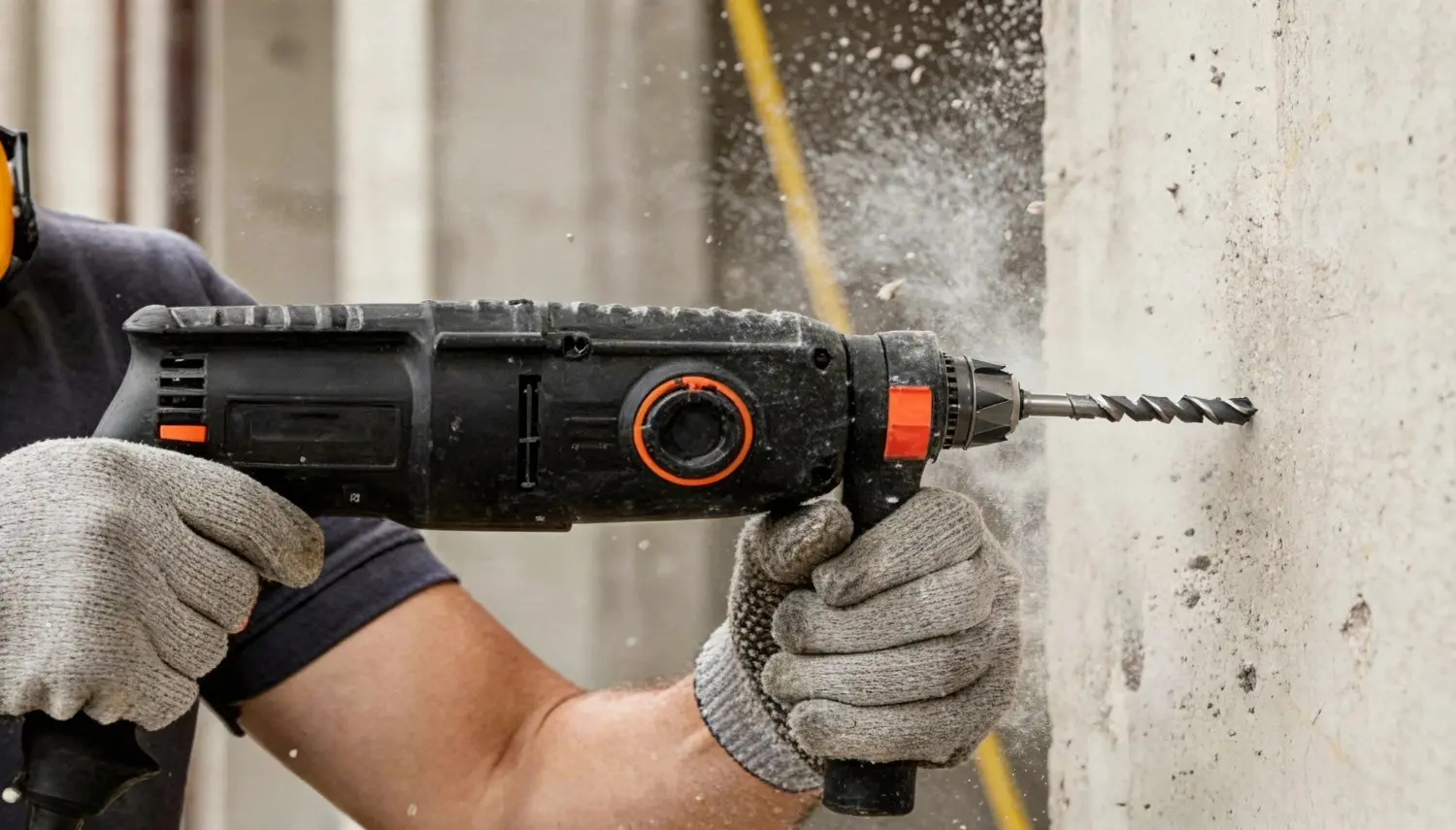
A Complete Guide for Contractors, Builders & Power Tool Professionals
If you're a professional builder or a DIYer, utilizing appropriate drill bits for a particular product can result in either a perfect hole or a ruined and shattered item. Hammer drill operators have access to one of the most adaptable tools available for larger drilling applications. Success is dependent on having the proper drill bit for the specific type of material you are drilling.
This document outlines the various drill bits needed for every major type of surface, including concrete, brick, tile, wood and metal, and how to use your hammer drills effectively at any job site. The document will also provide you with everything you need to begin working with a new hammer drill or give you the tools to upgrade your existing tools.
Understanding How a Hammer Drill Works
To distinguish between drill bits, you should first familiarize yourself with how the machine operates (rotational motion + rapid forward/backward movements). Hammer drilling achieves dual-action operation when hammering forcefully into hard materials, which generates an intense force from the percussion that pounds the material to create powder-like dust while being rotated through.
The performance and output specific to a hammer drill are predominantly achieved through two different modes: A simple drilling mode rotation alone and a hammer drilling mode that rotates along with percussion. Always utilize the function of a hammer for drilling through hard surfaces such as concrete or stone. If your goal is to drill concrete with a hammer drill, you can easily do this. When drilling any type of wood, metal, etc., switch to hammer drill mode since using hammering action could cause damage to the material.
Drill Bits by Surface Type
Not all drill bits are equal. Using the wrong bit dulls it fast, damages your material, and strains the tool. Here is a comprehensive breakdown of the right bit for every surface:
| Surface | Recommended Bit Type | Tip Material | Mode to Use |
|---|---|---|---|
| Concrete | Masonry / SDS Plus Bit | Carbide-tipped | Hammer + Rotation |
| Brick & Block | Masonry Bit | Tungsten Carbide | Hammer + Rotation |
| Ceramic Tile | Diamond Core / Spear-Point | Diamond-coated | Rotation Only (No Hammer) |
| Natural Stone | Diamond Bit / SDS Bit | Diamond / Carbide | Low-Speed Rotation |
| Wood | Twist Bit / Spade Bit | High-Speed Steel (HSS) | Rotation Only |
| Metal | Cobalt / HSS Twist Bit | Cobalt or TiN-coated | Rotation Only |
| Glass | Diamond-Tipped Bit | Diamond | Rotation Only (Slow Speed) |
Drilling Through Concrete and Masonry
Concrete is often the most challenging substance on a job site. In order to drill concrete with a hammer drill accurately, you must use either a carbide-tipped masonry bit or an SDS Plus bit when using a hammer drill. The bits have been specially hardened at their tip to enable them to withstand the percussive force of hammering without chipping or deforming.
You can also use a rotary hammer drill into concrete if you need to drill deeper or make larger diameter holes in heavy-duty applications and reinforced concrete. Rotary hammers have a piston mechanism to create the most powerful blows, making them much better suited for drilling large-diameter holes and drilling for extended lengths in heavy-duty applications compared to a conventional hammer drill.
Drilling into Concrete—Best Practices
- Start slow with your drill with the intention to make a pilot hole, then increase the drill speed to your finished speed.
- Use water or compressed air to clean your hole out while you are drilling
- Use steady and moderate pressure and do not force the drill
- Replace your drill bits when you start seeing a decrease in performance and they become hot
- Use core bits on a rotary hammer drill for holes greater than 12 mm.
About Ultra Touch
Ultra Touch is a manufacturer of power tools in India, with the emphasis placed on the production of high-performance power tools, which are accurate, durable, and can be relied on to perform well in working conditions in real-life situations. To make handling of the tools comfortable, the firm designs tools that are of equal weight, designed in an ergonomic manner, and have thermal protection to avoid overheating during extended tasks. The tools are constructed with quality parts and effective motors to ensure that the professionals can carry out their functions such as cutting, grinding, drilling, and finishing, which have a similar output and minimal fatigue.
Brick and Concrete Block Drilling
Drilling into bricks is done using a masonry bit made of tungsten carbide and hammer drill mode, just like drilling into dense concrete. The major difference between a brick and dense concrete is that bricks crack more easily than dense concrete when excessive force is applied. Therefore, bricks require much more of a "gentle" and controlled drilling motion than dense concrete.
When drilling close to the edge of a brick, you should decrease the speed and pressure you apply on the brick to avoid cracking the brick. Using a quality concrete hammer drill with a variable speed feature allows you to apply the right amount of force to get through the material you’re working on in a timely manner based on the resistance you feel through the material you’re drilling.
Here is another blog you might be interested in:
Why Demolition Hammers Are Essential for Road & Bridge Projects
Drilling into Ceramic and Tiles
Many people make a costly mistake here. If you drilled in hammer mode, the tiles would easily shatter. To drill in tiles, always switch the hammer in rotation mode with a spear-point carbide bit or diamond tip.
Tips for tile drilling:
- Stick a piece of masking tape over the drill point to stop bit slipping.
- Keep the bit and tile cool using water or a damp sponge throughout drilling.
- Never apply sideward pressure once the hole has been started.
- Use very low RPM throughout—speed is the enemy of clean tile holes.
Drilling into Wood and Soft Materials
For wood, drywall, or plastic, your hammer drill becomes a standard drill—disable the hammer function entirely. Use HSS twist bits for clean holes in timber or spade bits for larger-diameter boring in thick wood sections.
The hammer drill and rotary drill comparison often comes up here—both can drill wood effectively in rotation mode. The hammer drill and rotary drill combo tool is ideal when your job site requires moving between concrete and timber, saving you tool changes and downtime.
Drilling into Metal
Metal drilling requires rotation-only mode and cobalt- or titanium-nitride (TiN)-coated HSS bits. Using hammer action on metal will destroy your bit rapidly and damage the surface. Use cutting fluid or machine oil to reduce friction, and keep RPM moderate, mainly on stainless steel and harder alloys.
- Before starting with the drilling process, mark the point where you want to drill.
- Always start with a slow speed, eventually increasing the speed when the main hole is made.
- It is always better to use cobalt bits than the standard HSS, as the cobalt bits work well with harder metals.
What to Look for While Choosing the Right Hammer Drill
A high-quality concrete hammer drill makes a calculable difference in professional outcomes. When selecting one, consider these factors:
- Impact rate (BPM): Higher blows-per-minute means faster, more efficient concrete penetration.
- Chuck type: Keyed, keyless, or SDS — SDS chucks lock bits securely and absorb impact better.
- Variable speed: Essential for controlling the drill precisely across different surfaces.
- Motor wattage: For heavy masonry, look for 800W and above.
- Ergonomics: A side handle and vibration-dampening matter significantly on long jobs.
When investing in premium hammer drills, it is vital to reach only the trusted Hammer Drill Suppliers In India. This helps you source tools built for extensive Indian site conditions, suiting every job that you do.
Quick Reference: Bit Type by Job
| Job Type | Recommended Bit | Hammer Mode? | Speed |
|---|---|---|---|
| Anchor bolt into concrete wall | SDS Plus Masonry | Yes | Medium-High |
| Mount bracket into brick facade | Carbide Masonry | Yes | Medium |
| Install backsplash ceramic tile | Diamond Spear-Point | No | Low |
| Run cable through timber frame | HSS Twist / Spade | No | Medium-High |
| Drill through steel plate | Cobalt / TiN Coated | No | Low-Medium |
| Core hole through stone floor | Diamond Core Bit | Optional | Low |
The Role of Hammer Drill Manufacturers in India
The rapid growth of India's construction and infrastructure sectors has resulted in the substantial development of power tools over the past decade due to increased government spending on infrastructure projects across the country. The leading Hammer Drill Manufacturers In India have developed tools that now stand up to international competitors in terms of robust construction, efficient electric motors, and compatibility with various drill bits.
If you are considering buying hammer drills (or other electric tools) for light residential applications as well as larger infrastructure projects, purchasing your equipment from a reputable hammer drill supplier in India like Ultra Touch allows you to receive your tools much quicker, have access to more comprehensive after-sales support, and have access to tools that are designed for use in the conditions typically found at Indian construction sites, making them a wise long-term investment for any builder/contractor seriously interested in purchasing professional-grade equipment.
Frequently Asked Questions (FAQs)
1. What is a hammer drill?
Ans: A hammer drill is a power tool that combines rotational drilling with a rapid hammering (percussive) action. This dual motion allows it to drill efficiently into hard materials like concrete, brick, and stone, while it can also function as a standard drill for softer materials when the hammer mode is turned off.
2. Which drill bits are best for concrete with a hammer drill?
Ans: Carbide-tipped masonry bits or SDS Plus bits are ideal for concrete. These bits are designed to withstand the impact force of hammer drilling and provide efficient penetration into hard surfaces.
3. Can I use a hammer drill on wood or metal?
Ans: Yes, but only in rotation-only mode. For wood, use HSS twist or spade bits, and for metal, use cobalt or titanium-coated bits. Using hammer mode on these materials can damage both the surface and the drill bit.
4. What happens if I use the wrong drill bit?
Ans: Using the wrong drill bit can lead to poor drilling performance, damaged materials, overheating, and faster wear or breakage of the bit and tool.
5. Do I need hammer mode for drilling tiles or glass?
Ans: No, hammer mode should never be used on tiles or glass. Always use rotation-only mode with diamond-tipped or spear-point bits to avoid cracking or shattering.
6. What is the difference between SDS and standard drill bits?
Ans: SDS bits are designed for heavy-duty drilling and fit into SDS chucks, offering better grip and impact absorption. Standard drill bits are used with regular chucks and are suitable for lighter tasks.
7. How can I prevent drill bits from overheating?
Ans: You can prevent overheating by using moderate speed, applying steady pressure, and cooling the bit with water or cutting fluid, especially when drilling metal or tile.
8. What speed should I use for different materials?
Ans: High speed works for wood, medium speed for brick and concrete, and low speed for metal, tile, and glass. Adjusting speed based on material ensures better accuracy and longer tool life.
Conclusion
To conclude, there is no choice when it comes to matching the proper drill bit with the proper drill surface, and that is the basic component of safe, effective, and professional-grade results. Each type of substrate has a different requirement, and it relies on selecting a properly designed drill work tool appropriate for the function of the drill being operated, such as carbide/SD drill bits for concrete versus diamond/TD drill bits for tile, etc. Always buy from trusted hammer drill manufacturers in India, like Ultra Touch, who back their products with warranties. A quality hammer drill is mandatory for any drill system.
If you consider purchasing a hammer drill, then Ultra Touch is the best choice. The brand also offers saw blades, angle grinders, cutting wheels, hand saws, power tools, and much more.