How Diamond Saw Blades Improve Cutting Speed and Precision
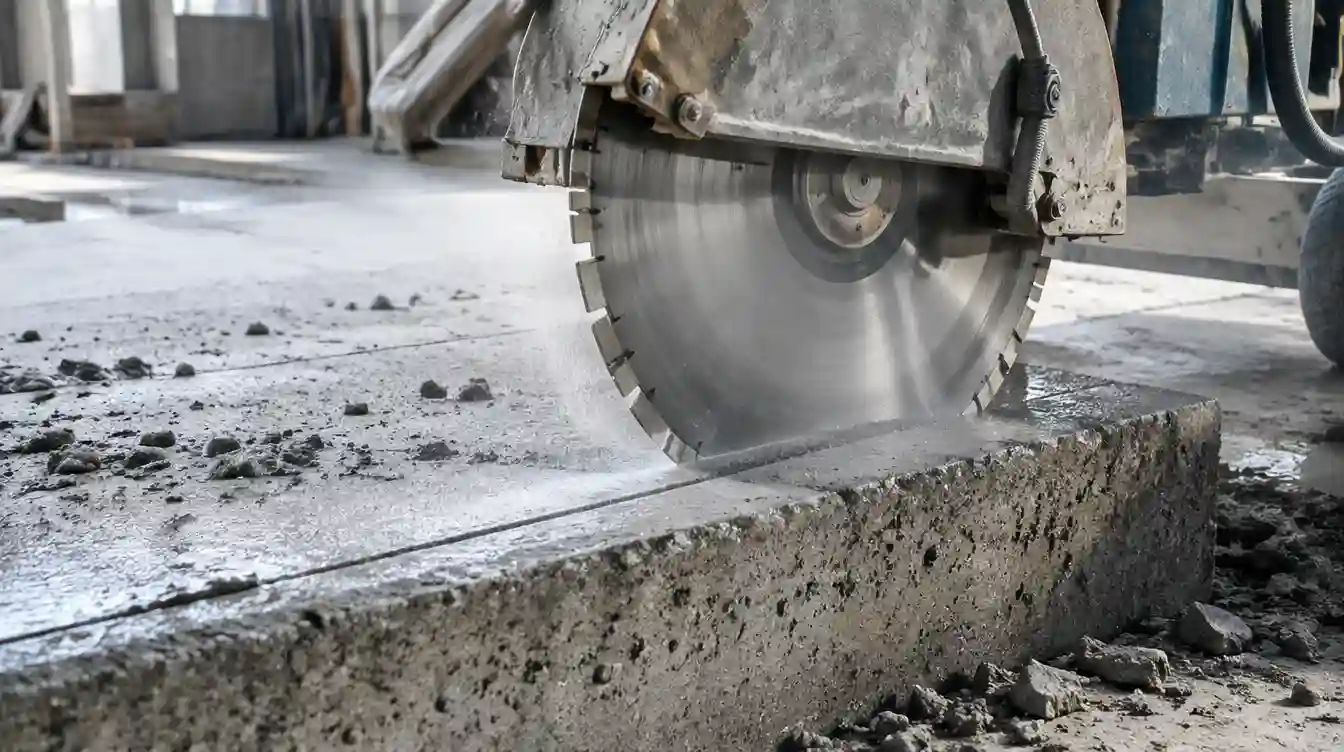
Ever watched a contractor eyeball a cut, wince, and go "close enough"? In construction, you can't get too close, and that's just as true as that. All wasted material is an expense, and all wobbled cuts are a time loss. Diamond Saw Blades come into play. They are designed to rip through concrete, stone and other hard materials with ease, without hesitation or delay. Here’s the thing no regular blade will tell you: They get dull very fast and make your job run slowly! Diamond cutting blade is a process that simply never stops, sharpening, cooling and speeding up one job at a time.
Diamond Saw Blades: What Are They?
Diamond Saw Blades are cutting tools made with a steel main body and tiny diamond particles, which is the hardest natural material available, on the perimeter. These particles are not just stuck on the edge of the blade, but actually bonded by a process such as brazing or sintering, forming a cutting edge that can endure even the most challenging materials without fast wear.
Diamond blades can be used in materials where normal blades have failed, such as concrete, granite, and asphalt, because they outlast and outperform traditional abrasives. That's why all serious diamond cutting blades are designed for durability, not sharpness.
How Diamond Saw Blades Increase Cutting Speed
There is such a thing as going too fast, but this is not it — going too fast without losing a clear advantage. Well designed Diamond Saw Blades are all about that.
Not everything along the edge of the rim is random—it's spaced and designed so dust and debris are swept away as the blade cuts so it doesn't end up fighting its own mess. The less friction the less heat and with the less heat the blade will retain its sharpness, otherwise it will grind to a halt in the middle of the task.
In essence, any fast cutting blade worth its salt is made to cut effectively, rather than spin at high speeds. Add the correct RPM and pressure, you'll have genuine high speed cutting on-site, and not just in theory.
-
Efficient Material Removal
A sharp diamond edge doesn't just cut, it clears the way as it moves, and pushes debris out, rather than allowing it to accumulate in the middle of the cut. This keeps efficient cutting consistent from the first inch to the last, so diamond blade performance doesn't dip halfway through a long, demanding cut.
-
Reduced Cutting Resistance
The choice of blade for the material does indeed make a difference here. A proper match will minimize drag with the surface and the blade just floats rather than pushing into it. With less resistance comes smoother strokes, improved cutting efficiency and a smooth cutting process that makes it safer on the tool and the operator.
How Diamond Saw Blades Improve Cutting Precision
There is no luck in precision; it's the direct result of the use of the proper Diamond Saw Blades under the proper conditions. These cuts are actually very clean and reliable because of the following:
- Genuine precision cutting, the right blade and steady pressure, means that each cut is cut where you want it to be – not a cut or two over or under – no drift, no guesswork!
- The controlled feed speed prevents the blade from being pushed into the material and thus the edges are not chipping, and the surface remains smooth and shiny.
- Accurate cutting will last cut after cut when there's a consistent RPM and proper cooling.
- With your equipment set up, you're no longer concerned about vibration and let the blade do its job without wobbling and ruining your line.
Cleaner and More Consistent Cuts
But precision on paper means nothing if the finish doesn't hold up in the real world. Not every blade is created equal and that is reflected on the finish. A good Precision Diamond Blade when matched correctly to the material, will produce smooth edges and clean cutting each time, without rough patches or rework. With “good enough”, it's often the poor quality of the blades that fails.
Materials Commonly Cut with Diamond Saw Blades
Diamond blades aren't the one size fits all when it comes to the answer of what works best. There are a number of different blade specifications required for different materials and when you know the difference, you're going to save yourself a lot of frustration on-site.
A diamond blade for concrete is typically designed to cut rebar and aggregate without breaking apart during the cut and a stone or granite blade is usually denser and designed to handle the hardness of the stone or granite without overheating. A diamond blade for stone is different to one for softer stone like marble, because it requires a softer section to prevent the finish from cracking.
Then there's masonry and tiles — a diamond blade for tiles is usually smaller and has a finer edge to produce smooth lines, without chips, on delicate surfaces. Match the blade, don't match the material.
Key Factors That Affect Cutting Speed and Precision
There is no single secret to good cutting performance; it's a combination of factors, and if one is out of sync it affects the entire cut.
- Blade diameter must correspond to the machine and material depth – too small or too big and control suffers before you have even begun cutting!
- The design of the segments and rim has a direct impact on the blade's ability to clear debris, exert friction and therefore its speed, heat build up and sharpness of the edge.
- Material hardness should guide your entire diamond blade selection, since a blade built for soft tile behaves very differently on dense granite or reinforced concrete.
- The blade maintains efficiency and also does not stress the motor or the edge, because of the machine compatibility, proper RPM and regular feed rate.
- Denser materials require wet cutters for their heat and dust control, dry cutters are best for faster, lighter jobs and matching full diamond saw blade specifications will ensure a perfect match, or no match at all.
1. Choose the Right Blade for the Material
When it comes down to it, it's about fit and not necessarily quality.
Always ensure that the blade specifications are consistent with the actual application, a general purpose diamond blade for cutting will not work the same in concrete, stone, or tile. Take your time to Choose Diamond Saw Blades for the application that will prevent wasted cuts and shorten the life of the saw blade.
2. Use the Correct Cutting Conditions
The right blade doesn't work well at all if the conditions are off.
The proper machine speed, consistent cutting method and adherence to the wet or dry requirements (as specified) all have a direct impact on the diamond blade performance . Leave out these and you won't have a steady cutting speed for any blade, no matter how good it is.
Benefits of Quality Diamond Saw Blades for Professional Users
When it comes to professionals, blade quality is no minor detail, it is what can make the difference between a good day on site and a frustrating one. Let's see what you're really getting for your investment in quality Diamond Saw Blades!
- Increased productivity because jobs can progress without unforeseen delays or due to the blade.
- Less chipped or rough cuts, reduce rework and maintain realistic timelines, rather than constantly slipping them.
- More durable segments for longer blade life with reduced need for replacement and downtime tool changes during workouts; and less downtime tool changes on project..
- Better finishes that will last the durability of scrutiny, particularly for the surfaces where it can be seen such as tile or stone.
- Long-term cost-effectiveness since, professional cutting blades can be more expensive initially but more cost-effective over time.
How to Choose the Right Diamond Saw Blade
When you're choosing Diamond Saw Blades for a professional set up, it's not a matter of picking any of the available options, it's a matter of selecting the correct ones for your job needs.
Use the material you cut the most because this will dictate segment type and the rim design. Then check the diameter of the blade, and whether it is compatible with the arbor or bore of your machine, as the blade will not fit or function safely if it is not.
Verify your machine's RPM range with blade's RPM specs and determine if you want your blade to be wet or dry operated based on your machine and workspace. When you choose diamond saw blade options this way, factoring in expected cutting quality alongside specs, your diamond blade selection ends up built around performance, not guesswork.
Your Cutting Partner, Not Just a Supplier: Ultra Touch
When you buy Diamond Saw Blades, you have to take care of who you deal with as well as what you deal with. Our aim at Ultra Touch is to give the right blade for the right job, every time.
- A variety of blade types that can be used for various materials, machines and cutting conditions, you will never be stuck with a generic fit!
- Advice from those who know what they're talking about when it comes to cutting applications, so you can choose specs rather than guessing.
- The same quality in each batch, with no variations in performance between orders.
- Responsive customer service before and after sale, as questions do not stop after the blade has been shipped.
- Reliable supply for one-off projects as well as bulk requirements, scalable with your workflow.
When you're looking for blades to do what they say they will do, not just in the specs, but in actual use, you should go with Ultra Touch.
Wrapping Up!
In the end, it is the right Diamond Saw Blades that will help make the difference between a rushed job and a professional finish. Choosing the right blades for the material and machine in question is the difference between better speed, sharper precision cutting, cleaner edges and better cutting performance.
|
Ready to upgrade your cutting setup? Explore Ultra Touch’s complete range of cutting blades and choose the right solution for your application. Contact Us Now for product details, recommendations, and bulk enquiries. |
Frequently Asked Questions
Still have questions before you buy? These are the ones we hear most from professionals working with Diamond Saw Blades on a regular basis.
1. What materials can diamond saw blades cut?
Depending on specification, a diamond blade for concrete handles reinforced surfaces well, while a diamond blade for stone suits granite, marble, tiles, and general masonry work.
2. Do diamond saw blades provide cleaner cuts?
Yes — pairing the right blade with correct machine speed and technique supports genuine precision cutting, reducing chipping and giving you a reliably clean cutting blade finish.
3. Can diamond saw blades be used for wet and dry cutting?
Some blades are built specifically as a wet cutting diamond blade, others as a dry cutting diamond blade, and some handle both — always follow manufacturer guidance.
4. How do I choose the right diamond saw blade?
Factor in material type, blade diameter, rim or segment design, machine compatibility, RPM, and wet/dry needs when you choose Diamond Saw Blades for your diamond blade selection.
5. How long does a diamond saw blade last?
Diamond saw blade life depends on material hardness, cutting conditions, feed rate, and machine setup — diamond blade durability improves significantly with correct, consistent usage.
6.Is there a difference between cheap and premium diamond saw blades?
Yes — premium blades use higher-quality diamond segments for better diamond cutting blade performance, longer life, and consistent results, while cheaper options wear out and underperform faster.