Best Hand Saws for Carpentry and Wood Cutting Applications
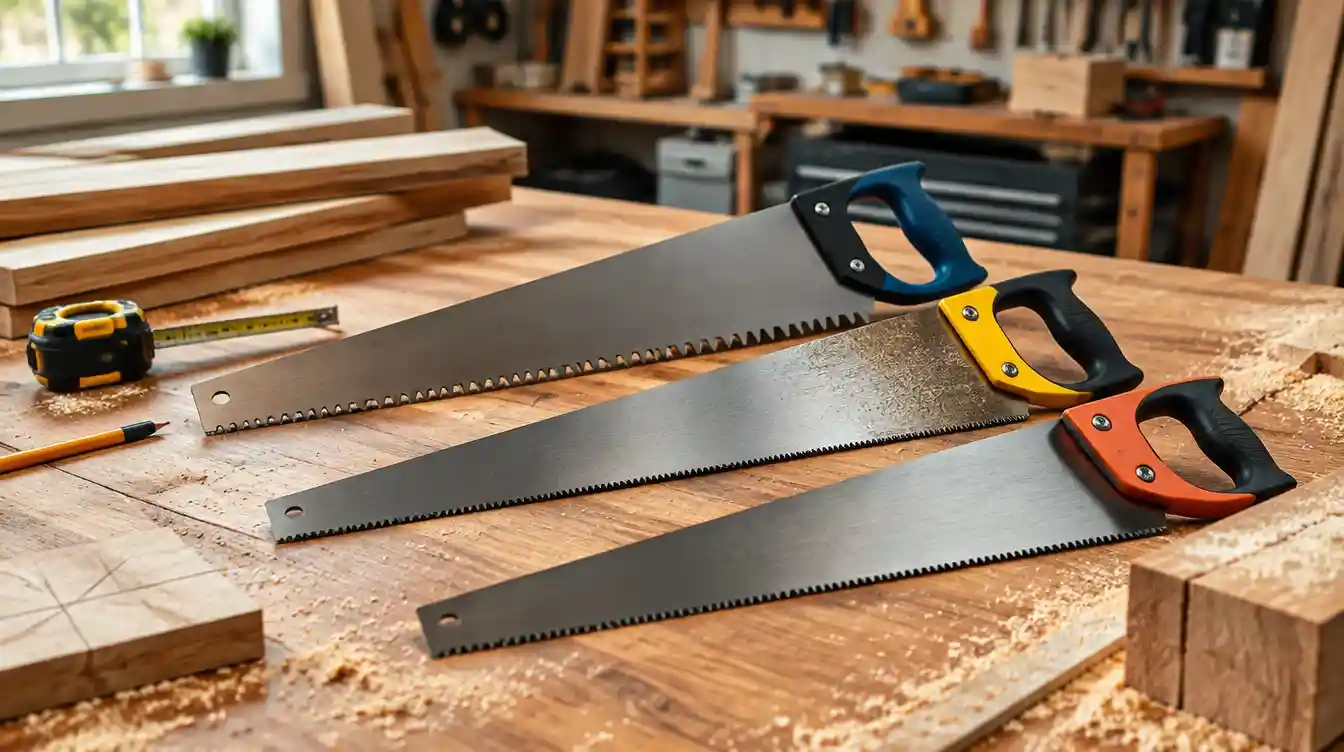
Ask any carpenter what he has on the workshop wall and a hand saw will appear on the list. The attention is paid to power tools, but the quiet work is still done by a good carpentry saw: the trim cut, the door repair, the board that must be shaved down by two millimeters. Take the wrong one, however, and the wood rips open, the line snaps and your arm costs you. This is the difference between Hand Saws, what each one is appropriate for, and how to achieve a cleaner wood cut without wasting a plank.
Whether your profession is carpentry or you are a DIY person, you will not be able to find the appropriate hand saw among reputed brands such as Ultratouch, as it will result in better performance, perfect cuts and a reliable tool in all your woodworking projects.
What Are Hand Saws and How Do They Work?
Strip a hand saw to the bone and there are but three pieces: a thin piece of steel, teeth on one side, and a handle to push and pull with. All the work is done by the teeth. Each of them is a little chisel, but it bites into the wood and clears the material, leaving a slender strip known as the kerf.
The design of teeth alters all this. Large, far between teeth chew through wood quickly but leave a shabby face. Fine ones are slower and they leave a smoother edge. Therefore, the most suitable hand saw to cut wood depends on the work, and a quality set of woodworking tools is likely to have a variety of saws.
Common Types of Hand Saws Used in Carpentry
There are three types of carpentry saw that most carpenters carry, and each saw is constructed to cut in a specific direction. Awareness of which is which helps you to select between the Hand Saws and carpentry tools you already possess or to determine what was left out of the kit.
Rip Saw
Rip saws cut across the grain. Its teeth are cut flat across the front, therefore serving as a row of small chisels and clear long fibers. Carpenters take it to cut boards in half. The wood cutting hand saw is the choice when time is of the essence and appearance holds less significance.
Crosscut Saw
A crosscut saw cuts across the grain. The teeth are inclined with the angles of knife points and therefore cut the fiber rather than tear it. This is the reason it is the standard choice when trimming boards to length, cutting door frames and shaping joints, and it is why it is found in nearly every collection of woodworking tools.
Panel and General-Purpose Hand Saw
A panel saw is comparatively shorter with finer teeth and this is appropriate when it comes to plywood, thin boards and smaller timber. To have one saw that would do most work, a general purpose hand saw does both rip and crosscut fairly well. It is the carpentry saw that many people have stored to make quick repairs, site work and jobs around the house.
Key Applications of Hand Saws in Wood Cutting
In all these Hand Saws make their meal:
- Furniture construction: sawing panels, legs and rails.
- Timber cutting: chopping down planks and battens.
- Trimming boards: shelves, skirting and flooring
- Construction work: Framing, shuttering and rough cuts on site.
- Fixing a job: replacing part of the job but leaving the rest intact.
- Shop work: daily wood sawing that does not justify the installation of a machine.
The popularity of such Construction Hand Tools is uncomplicated. They do not need power; they can fit in a bag and are quiet; thus, they operate in small spaces and remote locations. There is plenty of a reason to start with a saw in a collection of woodworking tools.
Features to Look for in a Good Hand Saw
The moment you take a professional hand saw and cut straight without tugging, then it is balanced and it will follow the course. Before buying, check these:
| Feature | What to Look For |
|---|---|
| Blade Material | Hardened steel that holds its edge and springs back when flexed |
| Tooth Configuration | Rip, crosscut or combination teeth, matched to your work |
| Teeth per Inch (TPI) | Lower TPI cuts faster, higher gives a finer finish |
| Handle Grip | Comfortable, firmly fixed, and easy to hold for long sessions |
| Blade Length | Longer blades give longer strokes, shorter ones more control |
| Rigidity and Durability | A blade that doesn't buckle or wobble mid-cut |
Smaller details such as these are where the carpentry tools reflect their quality, and Hand Saws are not an exception.
How to Choose the Right Hand Saw for Carpentry
The decision to take a carpentry saw mainly relies on a few straightforward questions regarding your work. Quick guide to wood cutting Hand Saws.
| Factor | What It Means for Your Choice |
|---|---|
| Wood Type | Finer teeth for hardwood, coarser for softwood |
| Cut Direction | Rip teeth along the grain, crosscut across it |
| Material Thickness | Thicker stock needs a longer blade and lower TPI |
| Precision Needed | Higher TPI for visible joints and clean edges |
| Frequency of Use | Daily use justifies better steel and a better grip |
| Working Environment | Damp sites need dry storage and regular wiping |
When your job is diverse, it is best to have a couple of saws in your woodworking equipment rather than request a single saw to perform all tasks.
Hand Saws vs Power Saws: When Should You Use Each?
Not all the time she wins. Light, quiet and do not require a socket, hand saws are convenient when it comes to doing little work and making delicate cuts and spots where a cord would only get in the way. You cut and cut it, and maintenance consists of cleaning and sharpening here and there. Power saws are faster on longer cuts or repeated cuts and they accept thick stock without batting an eyelid but require power, safety equipment and periodic maintenance. There are plenty of professionals utilizing both: power saws to do the bulk work and construction hand tools to accomplish the finishing and quick repairs.
Why Quality Matters When Buying Hand Saws
A low priced saw is likely to be more expensive in the long run. Blades dull quickly, handles slough your palm smoothly and jagged teeth scour the cut-off line. The good professional hand saw is sharper, will work straight, and will produce the same effect on the hundredth cut as the first.
In purchasing carpentry tools, it is worthwhile to consider reputable Hand Saw Suppliers with a track record. Ultratouch is one such company; it has been serving industries since 1995 in India. and when comparing hand saw manufacturers in India, ask them about the grade of steel used, the method of hardening and after sales service before placing an order.
Conclusion
An excellent hand saw makes sawing a smoother, less messy and much easier task. Whether it be a rip saw to make long cuts, a crosscut to clean ends, or a versatile carpentry saw to do the everyday work, find the right tool for the job and take care of it. Are you willing to take one?
Explore the wide range of Hand Saws at Ultra Touch, designed for reliable performance in carpentry and wood cutting applications. Whether you need tools for professional woodworking or bulk purchasing, our team can help you choose the right option for your requirements. Contact Us Now for product details, pricing, and enquiries.
FAQs
1. What is the best hand saw to cut wood?
The optimal hand saw to use to cut wood depends on the direction of the grain, thickness and finish. Rip saws are used in cuts across a grain, crosscut saws in cuts across a grain and panel saws in thin boards.
2. What kind of hand saw is normally utilized in carpentry?
The common ones are rip, crosscut and general-purpose saws. Most of the common carpentry work is done by a general-purpose carpentry saw, but a dedicated rip and crosscut Hand Saw is more efficient on a single-direction cut.
3. What do I have to look into before purchasing a hand saw?
Purchasing a hand saw, make sure to check the length of the blade, the shape of the teeth, the TPI, the grip, the material of the blade and the purpose. Those specifications determine the level of accuracy as well as the comfort with which it can be used in combination with other woodworking tools.
4. Is it possible to use hand saws in construction?
Yes. hand saws are convenient construction hand tools to use in hand cutting or trimming, or when it is more appropriate to use a portable power-free tool, such as in tight areas or remote locations.
5. What can I do to increase the life of a hand saw?
Clean the blade after each use, dry it and cover the teeth. Skip nails, metal and other inappropriate material. By having your carpentry tools maintained on a regular schedule, your hand saws will be sharp much longer.
6. What Makes Ultratouch Hand Saws a Suitable Choice for Carpentry and Wood Cutting?
Ultratouch is an Indian industrial supplier that has been in service to industries since 1995. Ultratouch hand saws are available in a variety of models, but when deciding on which one to use, you have to look at the quality of the blade, the tooth shape, cutting accuracy, handle comfort, and durability to determine which one will suit your carpentry and wood-cutting requirements. To achieve the most appropriate fit, call the Ultratouch team to talk about your special cutting needs.