How to Maintain Power Tools for Longer Life and Performance
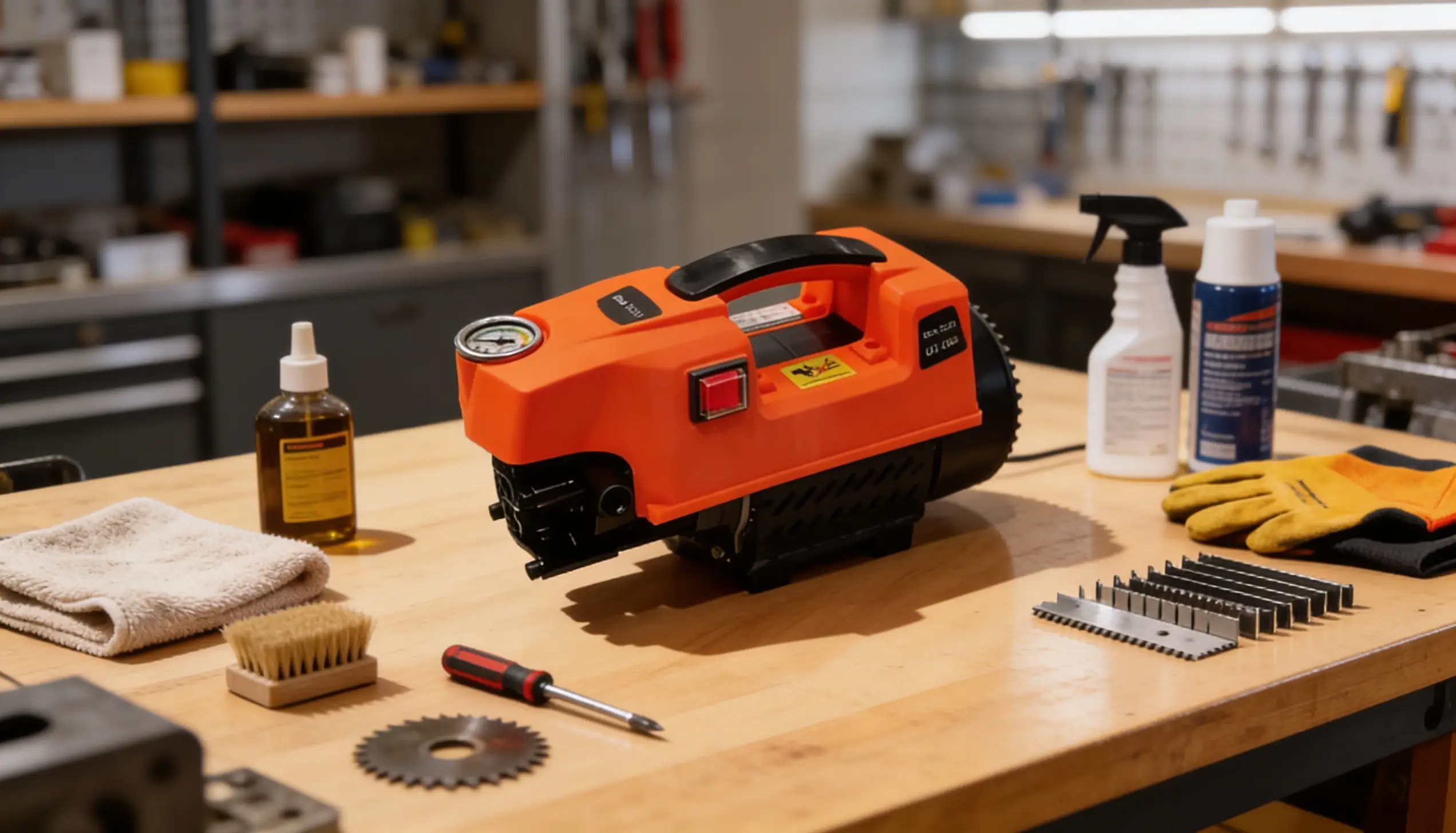
In construction & manufacturing, the lifespan of tools is determined more by the manner in which they are treated by their owners than by the tools’ own inherent characteristics. A tool that is maintained as a temporary product will produce much lower profits than a tool that has been purchased with an emphasis on long-term return on investment. Considering each piece of equipment like a long-term asset enables you to create consistent outcomes and reduced job completion delays.
A maintenance mindset begins prior to using your first Power tools. It may be tempting to skip reading the owner’s manual and to immediately begin work with your new tool, but understanding the manufacturer specifics for the tools will ultimately improve the life expectancy of those tools (i.e., examples include the type of grease to use in the gearbox & the specific cooling requirements for the electric motor). Investing time on maintenance of your equipment today will save you from needing to purchase costly replacement equipment at a later time.
Daily Maintenance Pointers for Every Workshop
Wrap things up right each evening - simple moves cut most mechanical issues by nearly 90 percent. Show up tomorrow knowing everything works because tonight was handled with care.
- Start by letting the motor cool completely. Then grab a can of compressed air. Aim it at the intake vents. Give short bursts to loosen built-up dust. Watch particles scatter with each puff. Repeat until nothing puffs back out. Finish when airflow meets no resistance.
- A soft touch clears grime - drag a lint-free rag across the shell. Sweat, grease, or lingering acids vanish under steady pressure.
- Fingers tracing the cord might catch a nick or burn you’d miss by sight. A hidden break inside could show up through touch instead of eyes. Rough spots along the line often mean damage underneath. Feeling every stretch reveals what looks fine but isn’t. Little lumps or soft sections? Those whisper trouble within them.
- Check each knob, handle, and guard—make sure they’re held firm, not shaken by movement. Hold them steady so nothing slips during use.
After each shift, just wiping off your drill helps avoid surface harm. A dry microfiber rag clears grime left behind—this keeps hand oils and moisture from eating at rubber or plastic handles. Try aiming compressed air into the side vents once in a while; it kicks out trapped dust before it mixes with grease and turns rough on internal parts.
Lubrication and Precision Engineering
Friction causes heat, which is the main reason for a motor burning out due to excessive heat. Keeping moving components well lubricated acts as an additional defense against damage caused by excessive use.
When servicing an Angle Grinder, regularly check for adequate, high-quality lithium grease inside the head. Sufficient amounts of lithium grease will reduce the wear of bevel gears and create a smoother and quieter operation of the tool. The operator will also experience reduced vibration, making it easier to work long hours.
Maximizing Cutting Efficiency
A dull blade does not just work slow; also, it works hard. If you're forcing a blunt edge through your workpiece, you are actually over-stressing and possibly over-heating your motor. Just as important as caring for your machine is caring for your accessories.
- Check the teeth for chips or missing carbide. Do this before every large cut.
- Scrape the blade clean. Some kind of solvent used for sap or resin will increase the friction of your cut.
- Check the fence-to-base-plate angle to ensure perfect squareness.
- Do not lean blades against the wall. If your blades have to be stood up they should be flat.
If you notice that your cutter machine is producing smoke or requires extra physical force to move through a workpiece, stop immediately. A clean, sharp blade should be doing the cutting for you. Simply checking your edges for chips or pitch accumulation alone will keep your motor in its power band and your blade resharpened for a long time to come.
Related Blog You Might Like:
Reliable Power Tools Manufacturers for Hardware Businesses in India
Electric Safety Standards
Powering your device is essential, but it must be controlled to prevent failures. A burnt wire, or a bad connection, can result in voltage drops, and the motor "hunts" for the power it needs; this produces unstable RPMs and kills internal electronics.
Before connecting the power cable of your grinder machine, take 3 seconds and give it a look-over, looking for exposed copper or long, deep nicks in the cable sheathing. Does the cord get unusually warm while using it? Internal failure is the likely culprit, or your circuit is overloaded. Keep your leads loosely coiled (rather than around the tool) to prevent their wires inside from breaking from work-hardened fatigue over time.
Storage Solutions That Protect Metal
A single weekend of damp air might be all it takes to wreck a carefully made tool. Where things sit when not in use matters just as much as how they’re used during work.
- Besides wet floors? Skip placing equipment straight onto concrete. Try shelves instead—air moves better that way.
- Open drawers where tools live. Tuck small sachets of drying crystals inside. These pull water from the air slowly. They stay active for weeks without help. Place fresh ones when clumping begins.
- A light coat of oil works well on bare metal surfaces like tables or chucks. It keeps rust away when moisture is around. Just enough to cover, not soak, does the job.
A safe spot for your angle cutter might mean a sturdy case or a storage unit set apart from damp air and sudden heat changes. When humidity runs high, small touches like drying crystals or a light coat of anti-rust mist help guard bare metal parts. Keeping things arranged means less clatter between tools, so fences and shields stay properly lined up without knocks.
Battery Life Extension
Cordless technology must be handled differently from a corded one. With cordless operation, the performance of a cordless tool depends on the health of the cells of the battery.
Regardless if it is an impact driver for heavy use or a hand grinder, try to avoid leaving the battery at direct sun or in hot cars. High temperature is one of the primary enemies of battery cell lifetime. Also, the ideal is to store battery cells at 50% of charge in periods of idleness instead of keeping them discharged to zero or a full 100%.
Safety and Calibration checks
Vibration, the archenemy of precision, can loosen your guard securing adjustment knobs over a few months.
When setting up your angle grinder machine, double-check that your spindle nut is secure and the guard is positioned correctly; loose discs will just be less accurate and more of a pain to clean up. Continuously tightening all external fastenings keeps your tool as solid and precise as the day you got it.
Servicing the Internal Components
The bigger machines usually have "service ports" that allow the user to check out the condition of the carbon brushes. These carbon bits transfer the electricity to the rotating armature and need to be replaced when they wear down to a predetermined length.
High-performance drill machines' lubricating agent becomes contaminated with microdust after a while and starts resembling a thick gritty mess. A yearly or more service, depending on the frequency of usage, is necessary. Cleaning the grease out of the gear housing and replacing it with a new lot can add years to the life span of the transmission.
Selecting Good Manufacturing:
It does not matter how well you maintain the tool if it is not constructed with the right materials to begin with. Investing a bit more into maintaining a tool, you know it was engineered not to cut corners at every chance, so the maintenance you put in is very effective. When you get from an established Power tools manufacturer in India, you are also ensuring that you get a product that was designed with your local climate and power grid in mind. Tools designed for durability will perform a lot better in the hot, dusty environment of an Indian summer than generic equipment; you get a higher return on your investment.
Maintenance Comparison Table
| Part | Routine Action | Signs of Trouble |
|---|---|---|
| Motor | Blow out vents | Burning smell or excessive sparks |
| Gears | Apply fresh grease | High-pitched grinding noise |
| Brushes | Check every 50 hours | Intermittent starting or power loss |
| Chuck | Clean and oil | Bit slipping or difficult to tighten |
| Cord | Inspect for nicks | Tool cutting out during movement |
Professional Dealer Support
Even the most competent operator may need a professional technician now and then. Your safest bet for having the right repairs carried out correctly is to have an agreement with a dealer where genuine spares can be obtained.
Your local Power Tools Dealer In India will usually have industry-specific maintenance recommendations available, tell you where particular models of power tools are known to fall down, and suggest stocking consumables (e.g., the right grade of oil, or a specific brush) as a preventative measure.
The Logic of Wholesale Standardization
If a business utilizes a large fleet of equipment, then wholesale standardization becomes crucial to overall efficiency. By using the same platform across the board, maintenance is a scheduled, factory-like process.
When ordering wholesale through a Power Tools Wholesaler In India, you can keep a uniform inventory of reliable equipment. Standardized equipment also provides more ease to employee training and safety and maintenance training since you only need to train on one type of tool, cutting down on the possibilities of accidental damage from misuse.
Maintaining Industrial Machinery
When it comes to industrial machine maintenance, things get even bigger. Typically, these machines will be equipped with elaborate cooling systems and drive belts that have to be held to exact tensions or they will slip and wear prematurely.
To maintain this machine tool, there has to be a maintenance logbook where every oil change, belt adjustment, or calibration is recorded. This way, you will develop a pattern of a certain bearing that always runs hot, and you will have it repaired during downtime rather than in a high-production frenzy.
Finding the Right Supplier
A good supplier will support your growth: he would provide the technical specifications and stock levels, enabling you to concentrate on your craft without the worry of machine downtimes.
When you can find a power tool supplier in India committed to your needs, it becomes clear that you have purchased more than a tool but support and part availability for years to come. With adequate tools and proper maintenance, there is no limit to what you can build.
About Ultra Touch
Ultra Touch is a manufacturer of power tools in India, with the emphasis placed on the production of high-performance power tools, which are accurate, durable, and can be relied on to perform well in working conditions in real-life situations. To make handling of the tools comfortable, the firm designs tools that are of equal weight, designed in an ergonomic manner, and have thermal protection to avoid overheating during extended tasks. The tools are constructed with quality parts and effective motors to ensure that the professionals can carry out their functions such as cutting, grinding, drilling, and finishing, which have a similar output and minimal fatigue.
FAQs
1. Why is regular maintenance important for power tools?
Ans: Regular maintenance reduces wear, prevents sudden breakdowns, improves safety, and extends tool lifespan. Proper care ensures consistent performance, lowers repair costs, and protects your investment by keeping tools reliable for both professional and personal use.
2. How often should power tools be cleaned?
Ans: Power tools should be cleaned after every use. Dust, debris, and grease buildup can damage motors and moving parts. Daily cleaning with compressed air and dry cloths helps maintain efficiency and prevents internal contamination.
3. What is the best way to clean power tool vents?
Ans: Use compressed air to blow dust from intake and exhaust vents when the motor is cool. This prevents overheating, improves airflow, and protects internal components from dust buildup.
4. Why is lubrication necessary for power tools?
Ans: Lubrication reduces friction, minimizes heat generation, protects gears, and ensures smoother operation. Using manufacturer-recommended grease or oil keeps moving parts functioning properly and extends motor life.
5. How can dull blades affect power tools?
Ans: Dull blades increase friction, force motors to work harder, cause overheating, and reduce cutting precision. Regular blade sharpening and cleaning improve efficiency and protect the tool’s motor.
Conclusion
The maintenance of your equipment should not be a chore but rather an inherent part of your craft. Whether it is the daily cleaning of your power tool or annual major servicing of your largest and most durable pieces of equipment, each task that you do keeps your assets worth that much more. Simple steps, from cleaning to lubrication to checking over to putting equipment away properly, will guarantee that it is ready when it is time to use. A bit of effort will earn you a reputation for fine work, while your business will remain profitable well into the future.
Maximize your tool's lifespan and performance with Ultra Touch by implementing these essential maintenance habits today. Contact Us Now.