Top 7 Wall Cutting Wheel Safety Rules for Professionals
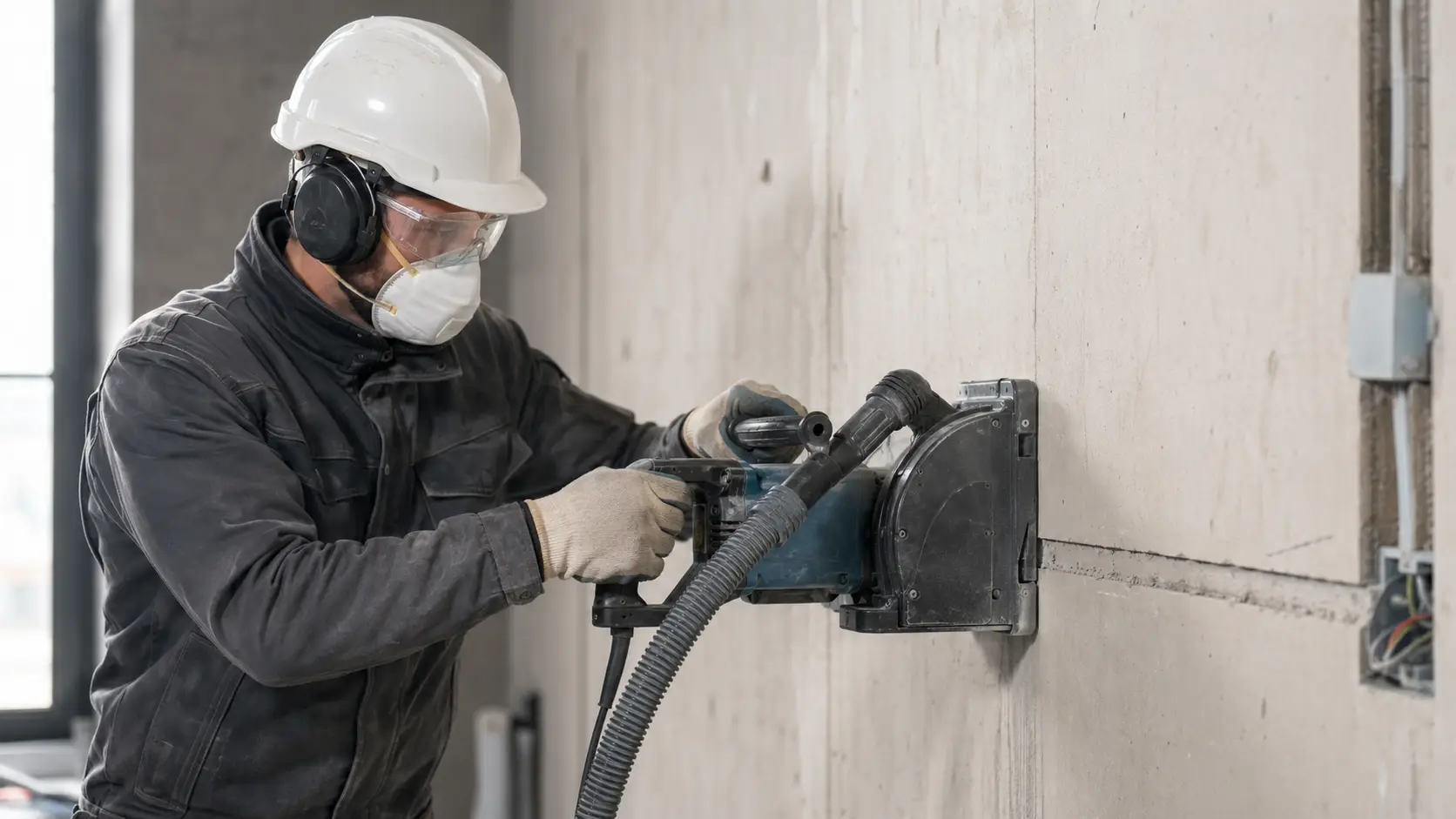
Wall cutting wheels are essential tools for electricians, plumbers, and construction professionals who need to cut clean grooves or channels into walls for conduit, wiring, or piping. But while these tools make wall chasing fast and efficient, they also carry serious safety risks if handled incorrectly. Whether you're sourcing from trusted Wall Cutting Wheel Manufacturers in India or already have a toolkit ready, understanding proper safety protocols is non-negotiable for every professional on-site.
In this blog, we'll walk through the top 7 safety rules every professional must follow, along with some useful buying tips and interesting trivia along the way.
Why Safety Matters When Using a Wall Cutting Wheel
A wall cutting wheel spins at extremely high speeds to cut through concrete, brick, and masonry. This means even a small mistake a cracked blade, wrong wheel size, or missing safety gear can lead to serious injuries, kickback accidents, or tool damage. That's why choosing the right Wall Cutting Blade and following strict safety practices go hand in hand.
Top 7 Safety Rules Every Professional Must Follow
1. Always Inspect the Wheel Before Use
Check for cracks, chips, or wear before mounting the wheel. A damaged wall cutting wheel can shatter mid-use, causing severe injury. Never use a wheel that looks compromised, even if it seems minor.
2. Wear Proper Personal Protective Equipment (PPE)
Safety goggles, dust masks, ear protection, and gloves are essential. Wall cutting generates fine dust and debris that can damage eyes and lungs over time, especially during prolonged use.
3. Use the Correct Wheel Size and Speed Rating
Every wall cutting wheel is rated for a specific RPM (rotations per minute). Using a wheel on a machine that exceeds its rated speed is one of the most common causes of wheel bursts.
4. Secure the Workpiece Firmly
Loose walls, tiles, or panels can shift during cutting, causing the wheel to bind or kick back unexpectedly. Always ensure the surface is stable before starting the cut.
5. Maintain a Firm, Two-Handed Grip
Never operate a wall chasing machine with one hand. A firm two-handed grip gives you better control and reduces the risk of the tool jerking unexpectedly during operation.
6. Avoid Excessive Pressure While Cutting
Let the wheel do the work. Applying excessive force can overheat the blade, cause premature wear, and increase the risk of the wheel cracking or breaking during use.
7. Store and Handle Wheels Correctly
Wall cutting wheels should be stored flat, away from moisture and extreme temperatures. Improper storage can weaken the wheel's structure, making it unsafe even before first use.
Kickback & Blade Binding: The Hidden Dangers Behind Every Cut
Kickback is one of the most dangerous and most misunderstood risks when using a wall cutting wheel. It happens when the spinning wheel suddenly stops or reverses direction unexpectedly, throwing the tool back toward the operator with tremendous force. Blade binding, a common cause of kickback, occurs when the wheel gets pinched or trapped inside the cut, often due to poor technique or an unstable surface.
Understanding why these happen is the first step to preventing serious injury on-site:
- Pinching in the Cut – If the wall or material shifts and closes in on the wheel mid-cut, it can bind instantly and cause violent kickback.
- Incorrect Cutting Angle – Tilting the wheel instead of keeping it perpendicular to the surface increases the chance of binding.
- Forcing the Wheel Too Fast – Pushing the tool faster than the wheel can naturally cut puts excess stress on the blade, leading to jamming.
- Worn or Damaged Wheels – A wheel that's chipped or unevenly worn is far more likely to bind or shatter under pressure.
- Unsupported or Unstable Workpiece – If the wall section isn't properly secured, movement during cutting can trap the wheel unexpectedly.
- Restarting Mid-Cut – Re-entering a cut with the wheel already inside the groove, rather than starting fresh, significantly raises binding risk.
Fun Fact
Wall-cutting wheels can spin at speeds of up to 12,000–13,000 RPM depending on the machine, which is faster than most car engines at full throttle! This is exactly why even a small crack in the wheel can turn dangerous in a fraction of a second.
Choosing the Right Wall Cutting Blade for the Job
Not all wall cutting blades are the same. Diamond-coated wheels are ideal for concrete and masonry, while abrasive wheels work well for softer materials like plaster and brick. When comparing Wall Cutting Wheel Price across brands, always prioritize durability and safety certification over the cheapest option a low-cost wheel that fails mid-cut can cost far more in downtime, damaged tools, or injury.
Wet Cutting vs Dry Cutting: Which Method Is Right for Your Wall Cutting Wheel?
| Factor | Wet Cutting | Dry Cutting |
|---|---|---|
| Dust Control | Minimal dust; water suppresses particles | Generates significant airborne dust |
| Blade Cooling | Water cools the wheel, reducing wear | Wheel heats up faster, wears quicker |
| Cutting Speed | Slightly slower due to water flow | Generally faster for quick jobs |
| Health & Safety | Safer for lungs; reduces silica exposure | Requires dust masks and ventilation |
| Equipment Needed | Requires water source/attachment | No extra equipment needed |
| Best Suited For | Indoor, prolonged, or heavy-duty cutting | Quick outdoor or small-scale cuts |
| Blade Lifespan | Longer due to reduced heat buildup | Shorter due to friction and heat |
Trivia Time
Did you know the first diamond-tipped cutting wheels were developed in the mid-20th century for the mining industry before being adapted for construction? Diamond segments remain the hardest cutting material used commercially today, which is why diamond wall cutting wheels last significantly longer than standard abrasive wheels.
Buying Wall Cutting Wheels: What Professionals Should Know
With increasing demand, many professionals now prefer to buy their wall cutting wheel online for convenience and better price comparison. However, online buying comes with risks counterfeit or low-grade wheels are common in unregulated marketplaces. To avoid this, always purchase from verified Wall Cutting Wheel Suppliers In India who provide proper certification, batch testing, and after-sales support.
Working with established Wall Cutting Wheel Dealers in India also ensures you get the right wheel size, RPM rating, and material type suited to your specific project something generic online listings often fail to clarify.
About Us – Ultratouch
Ultra Touch is a trusted name among Wall Cutting Wheel Wholesalers in India, known for delivering high-quality, certified cutting wheels built for professional use. We understand that safety and performance go hand-in-hand, which is why every wheel we supply is manufactured to meet strict quality and speed-rating standards.
Whether you're an electrician, contractor, or distributor looking for bulk supply, Ultra touch offers a wide range of wall cutting wheels suited for concrete, brick, and masonry applications backed by reliable support and consistent stock availability across India.
Conclusion
A wall cutting wheel is a powerful tool that demands respect and proper handling. By following these 7 safety rules from inspecting the wheel before use to storing it correctly professionals can avoid accidents and get consistent, clean cuts every time. And when it comes to sourcing genuine, reliable wheels, partnering with trusted Wall Cutting Wheel Manufacturers in India like Ultratouch ensures you get safety, quality, and performance in every cut.
|
Get the Right Wall Cutting Wheel for Your Next Project Contact Ultra Touch Today to get expert guidance on choosing the right wheel size and specifications for your project. |